Perimenopause nutrition
Why what worked in your 20s and 30s stops working, and what to actually change. A practical guide to eating through perimenopause without crash diets.

Perimenopause nutrition
If you’re in your 40s and the strategies that worked in your 20s and 30s are quietly failing, same training, same eating, different result, you’re not imagining it. Your body is changing, and the rules are changing with it.
This is what the research and clinical experience point to as the high-leverage shifts.
What’s actually going on
Perimenopause spans the years before menopause when oestrogen and progesterone start fluctuating, sometimes for a decade or more. Three things matter for nutrition:
- Insulin sensitivity declines. You handle carbohydrates less efficiently than you used to.
- Muscle protein synthesis becomes harder to trigger. You need more protein per meal to get the same muscle response.
- Sleep, mood, and stress hormones get noisier. Which directly affects appetite, cravings, and how your body partitions calories.
The body still wants to be lean and strong. It just needs different inputs.
The high-leverage shifts
Protein, properly
Aim for 30–40g of protein per main meal, three times a day. Two eggs and toast won’t cut it. This is the single biggest lever.
Strength train, non-negotiable
Two to three resistance sessions per week. This protects lean mass and bone density, which are both under attack from declining oestrogen. Walking is great, but it isn’t strength training.
Manage carbs, don’t fear them
You don’t need to go keto. You do need to be more deliberate. Anchor carbs to training days, build them around the protein, and pay attention to how different sources affect your energy and sleep. Whole-food carbs, not protein bars labelled “low-carb.”
Sleep is a nutrient
Poor sleep wrecks insulin sensitivity, raises cortisol, and tanks your willpower around food. Treating sleep as optional is the single biggest unforced error I see in this stage of life.
Alcohol earns less of a pass
Metabolism, sleep, and mood all take a bigger hit from alcohol now than they did at 30. You don’t need to be teetotal, but the maths has changed.
What not to do
Don’t crash diet. Restrictive eating in perimenopause accelerates muscle loss, wrecks the metabolic adaptations you actually want to keep, and almost always rebounds.
Don’t outsource it to a supplement. There is no pill that solves what protein, lifting, sleep, and consistency solve.
The real work is unglamorous and repeatable. Done over months, it changes everything.
The Nourish Collection
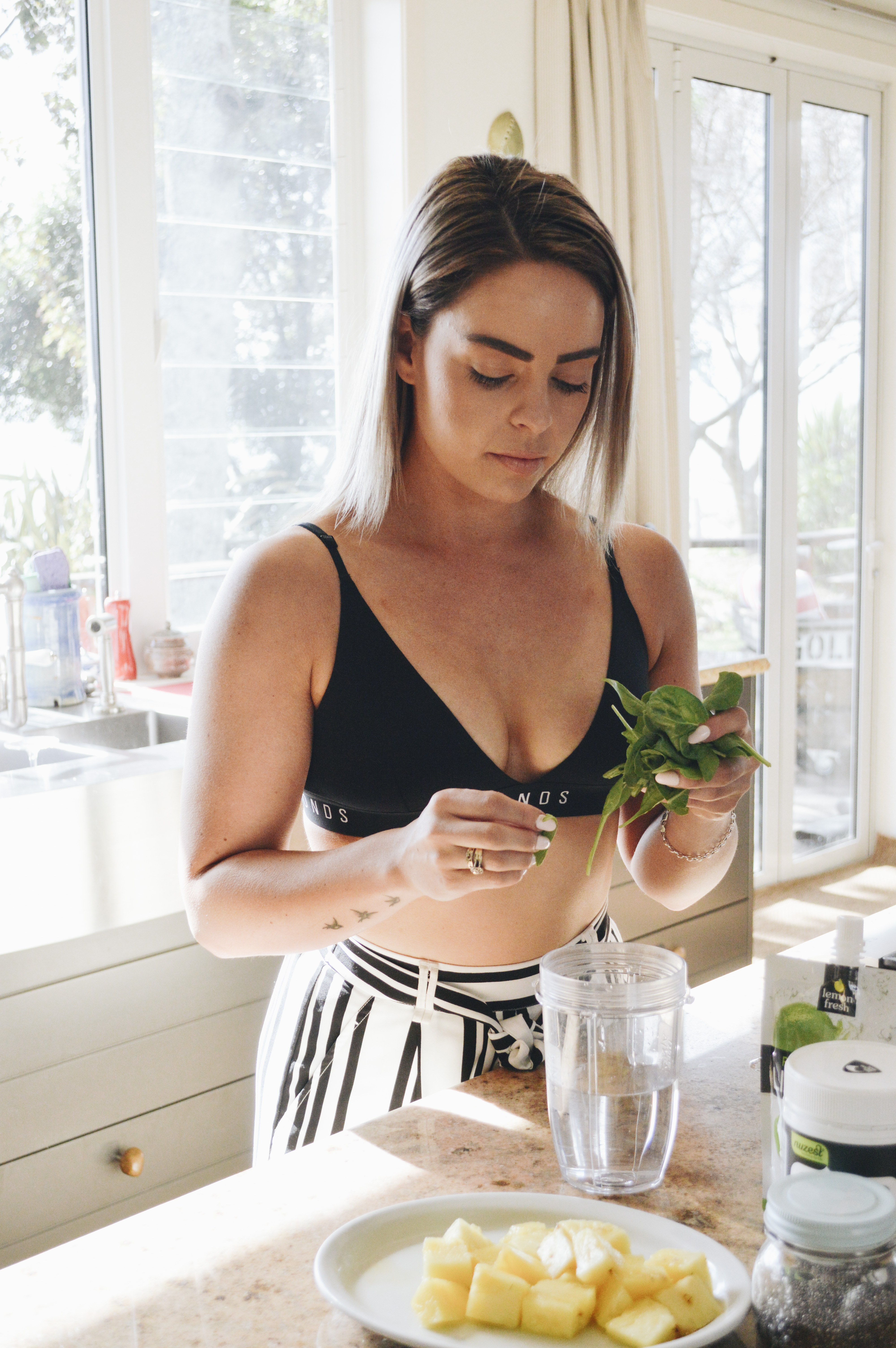
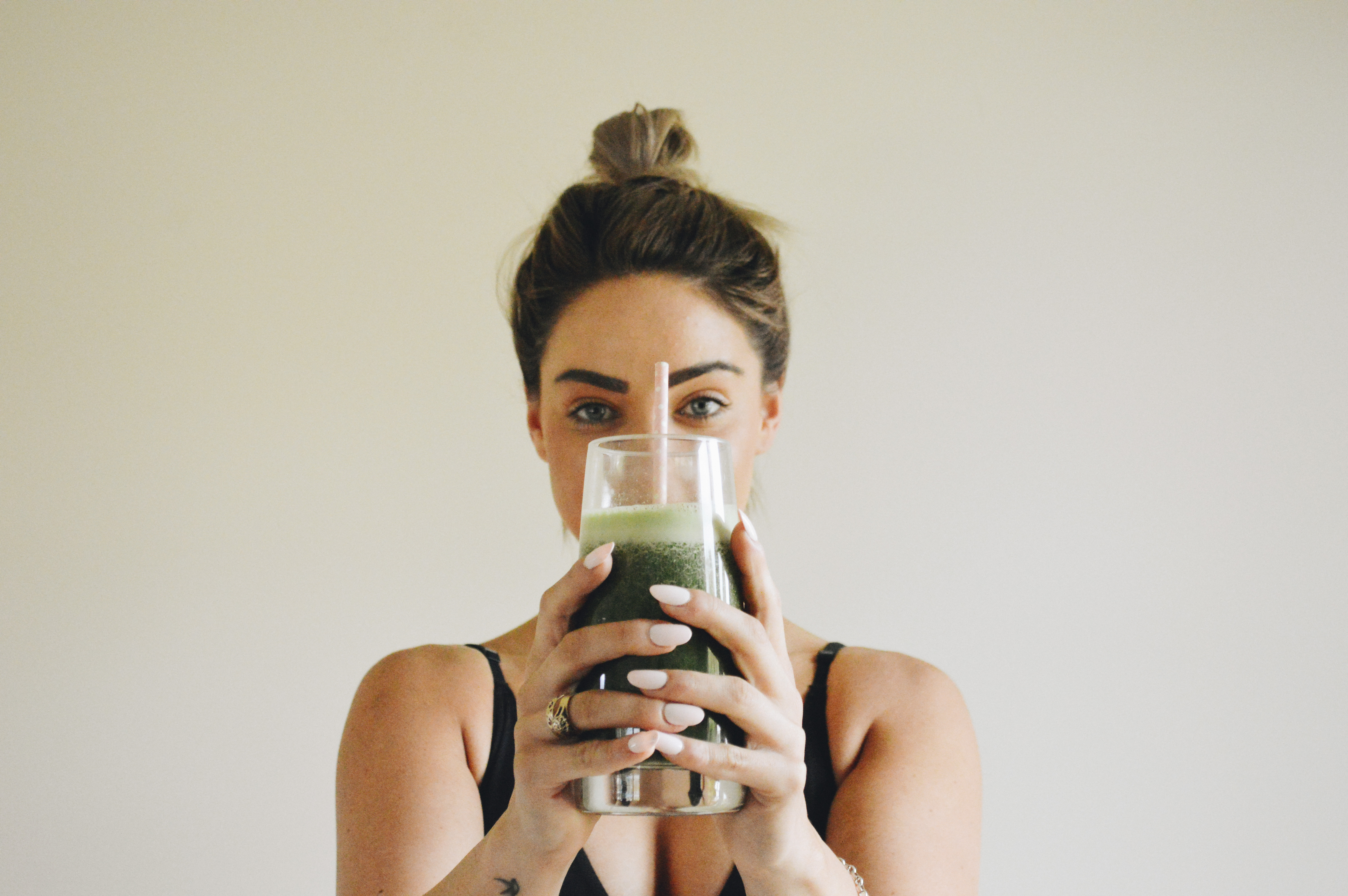
10 popular high-protein, nourishing recipes from my full FHC Program library. Simple to make, family-friendly, and designed to fit real life. Sent straight to your inbox.
The next 90 days will pass either way.
You can spend them doing what you've always done, or you can spend them becoming a woman who eats well, moves strong, and finally feels at home in her body. I'd love to help you choose the second one.
Limited intake · Applications currently open
- ✳Weekly 1:1 online coaching call
- ✳Custom nutrition & training plan
- ✳Personal access between sessions
- ✳Full hormone, sleep & stress review
- ✳The FHC App, training, habits & recipes
- ✳Full access to the FHC education library