Why strength training wins
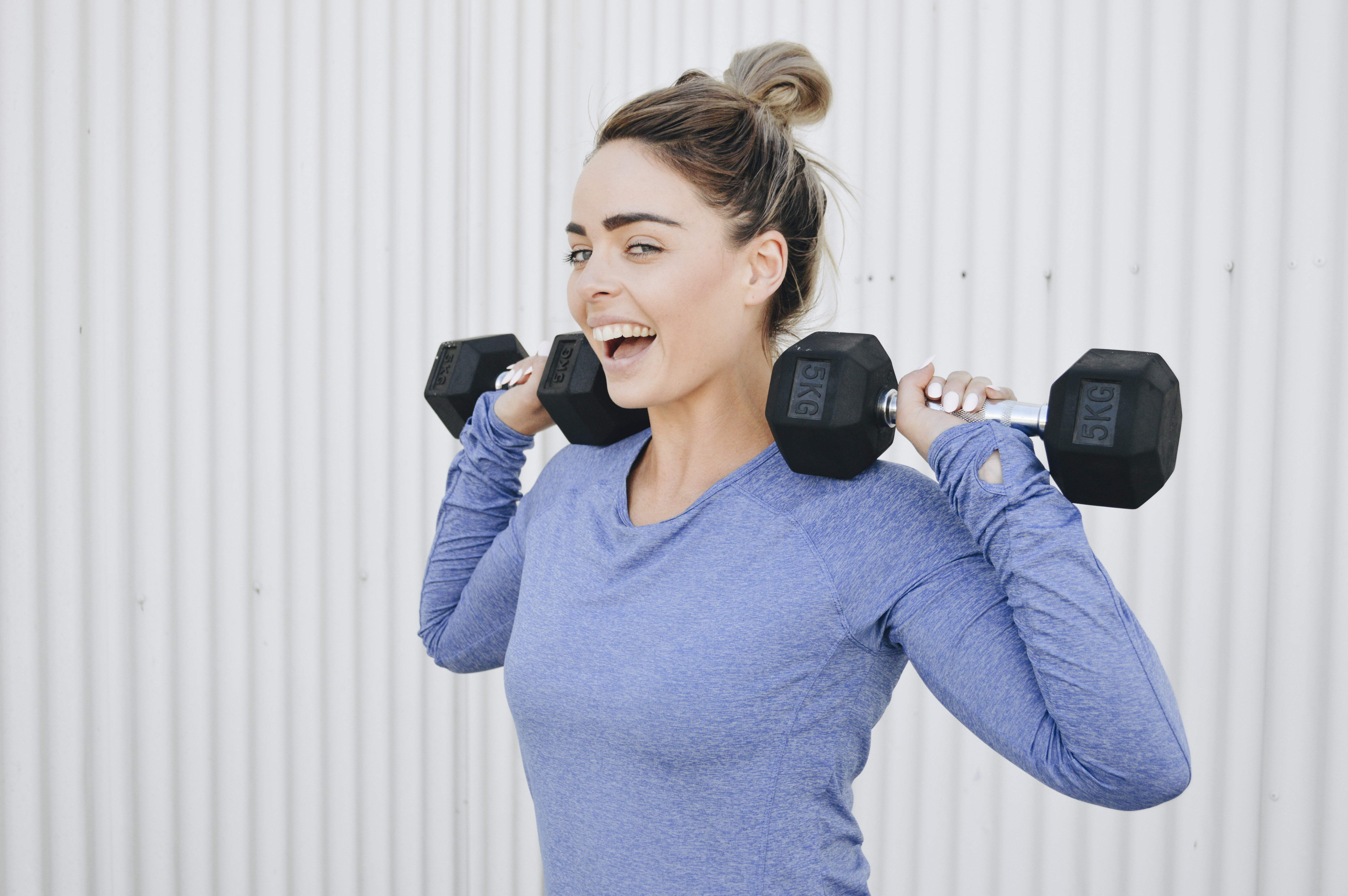
Cardio gets the headlines. Strength training quietly does the work, for body composition, metabolic health, longevity, and the way you feel in your skin.
Why strength training wins
For decades, fitness culture sold cardio as the answer to everything. Lose weight? Run more. Stay healthy? Hit the treadmill. Be a “real” athlete? Endurance only.
Strength training was the side dish, a thing people did to “tone up” without ever explaining what tone actually meant.
That story has aged badly. The data is clear: resistance training is the single most consequential thing most adults can do for their long-term health and how they look and feel today.
What strength training actually changes
Three big buckets:
1. Body composition
Strength training builds and preserves lean muscle mass. Lean mass raises your resting metabolic rate, changes the shape of your body, and means you can eat more food without gaining fat. Cardio alone, without lifting, leads to losing muscle along with the fat. You end up smaller, not stronger.
2. Metabolic and bone health
Resistance training improves insulin sensitivity, lowers visceral fat, and is one of the only proven ways to maintain bone mineral density as you age. Hormone replacement aside, it is the most powerful intervention against osteoporosis. For perimenopausal and post-menopausal women, this is non-negotiable.
3. Function and longevity
Grip strength, leg strength, and lean muscle mass are some of the best predictors of all-cause mortality and quality of life in older adults. Translation: how strong you are at 50 strongly predicts how independent and capable you are at 80.
The objections, dealt with
- “I don’t want to get bulky.” You won’t. Building visible muscle takes years of focused work, surplus calories, and effort that bears no resemblance to a 3x/week strength routine. What you’ll get is the look people actually mean by “toned”, defined arms, shape, posture.
- “I prefer cardio.” Great, keep it. But add lifting. They’re not competitors; they’re a pair.
- “I don’t have time.” Two 30-minute strength sessions a week will move the needle. You don’t need a 90-minute bro split.
What to actually do
Pick a programme that has you doing compound movements (squats, hinges, presses, rows, carries) two to three times a week, with progressive overload, meaning the weight or reps go up over time. That’s the engine. Everything else is decoration.
The rest is showing up consistently for long enough that it stops being a project and starts being a habit. That’s the whole game.
The Nourish Collection
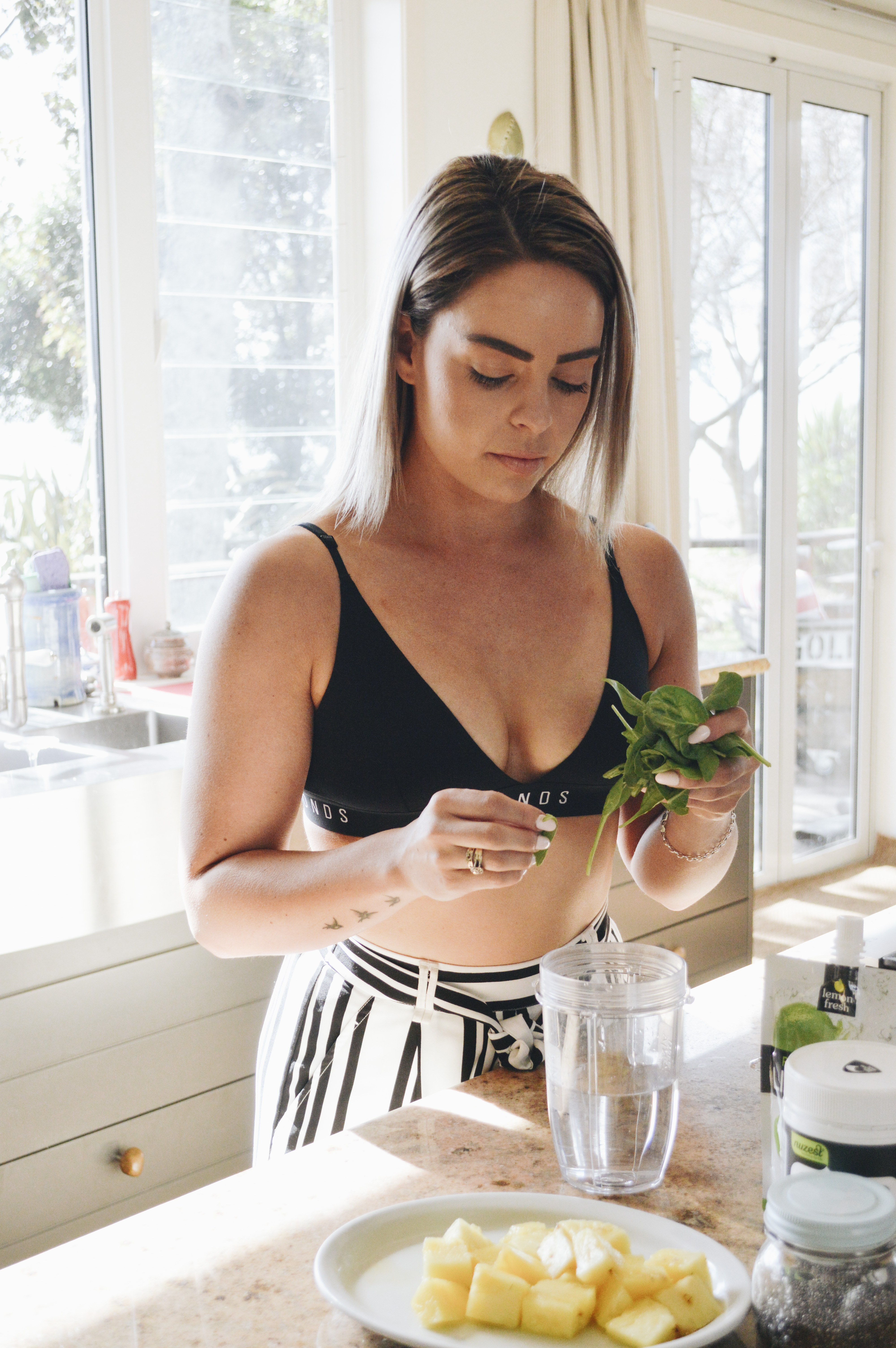
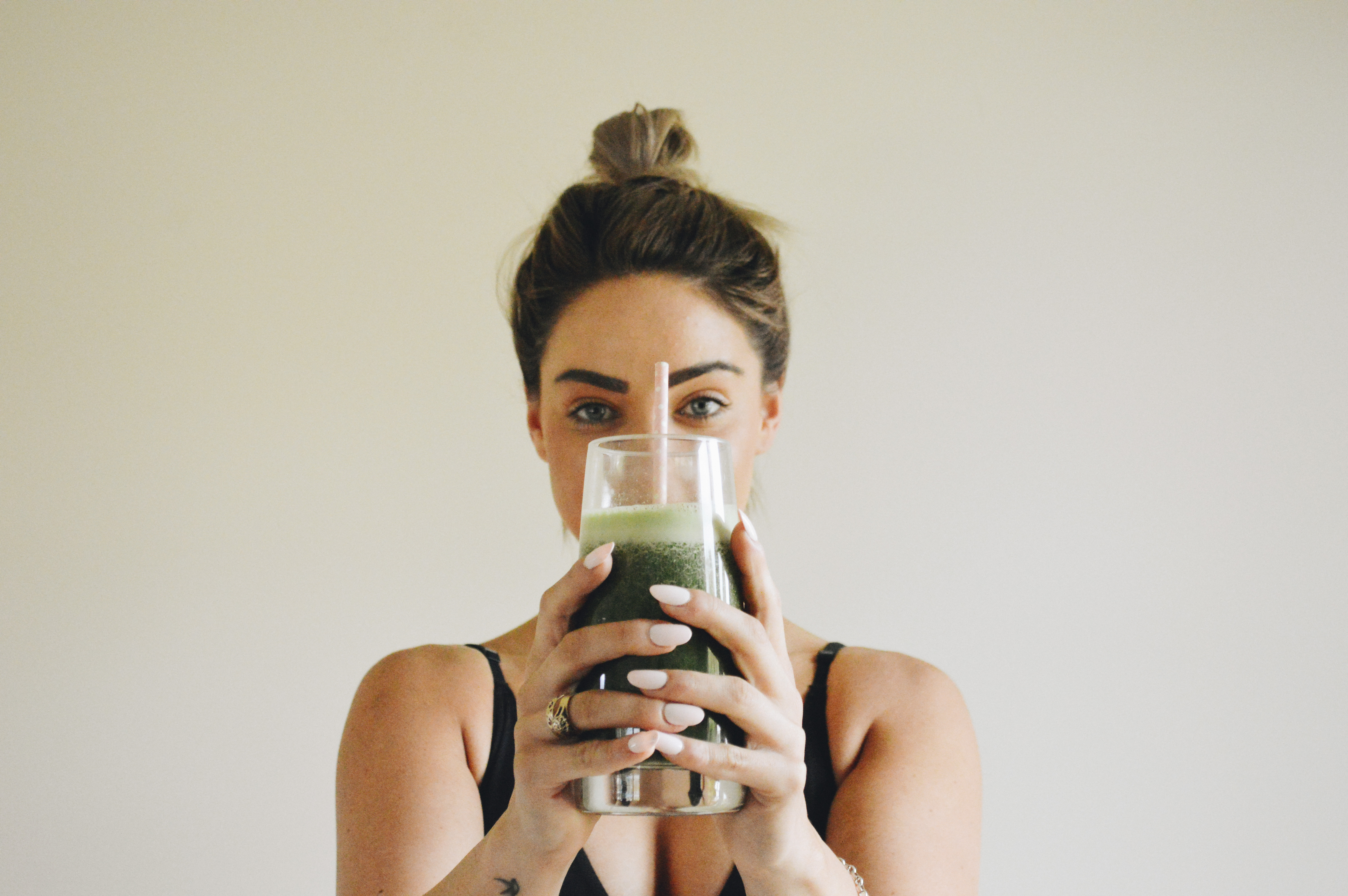
10 popular high-protein, nourishing recipes from my full FHC Program library. Simple to make, family-friendly, and designed to fit real life. Sent straight to your inbox.

The next 90 days will pass either way.
You can spend them doing what you've always done, or you can spend them becoming a woman who eats well, moves strong, and finally feels at home in her body. I'd love to help you choose the second one.
Limited intake · Applications currently open
- ✳Weekly 1:1 online coaching call
- ✳Custom nutrition & training plan
- ✳Personal access between sessions
- ✳Full hormone, sleep & stress review
- ✳The FHC App, training, habits & recipes
- ✳Full access to the FHC education library